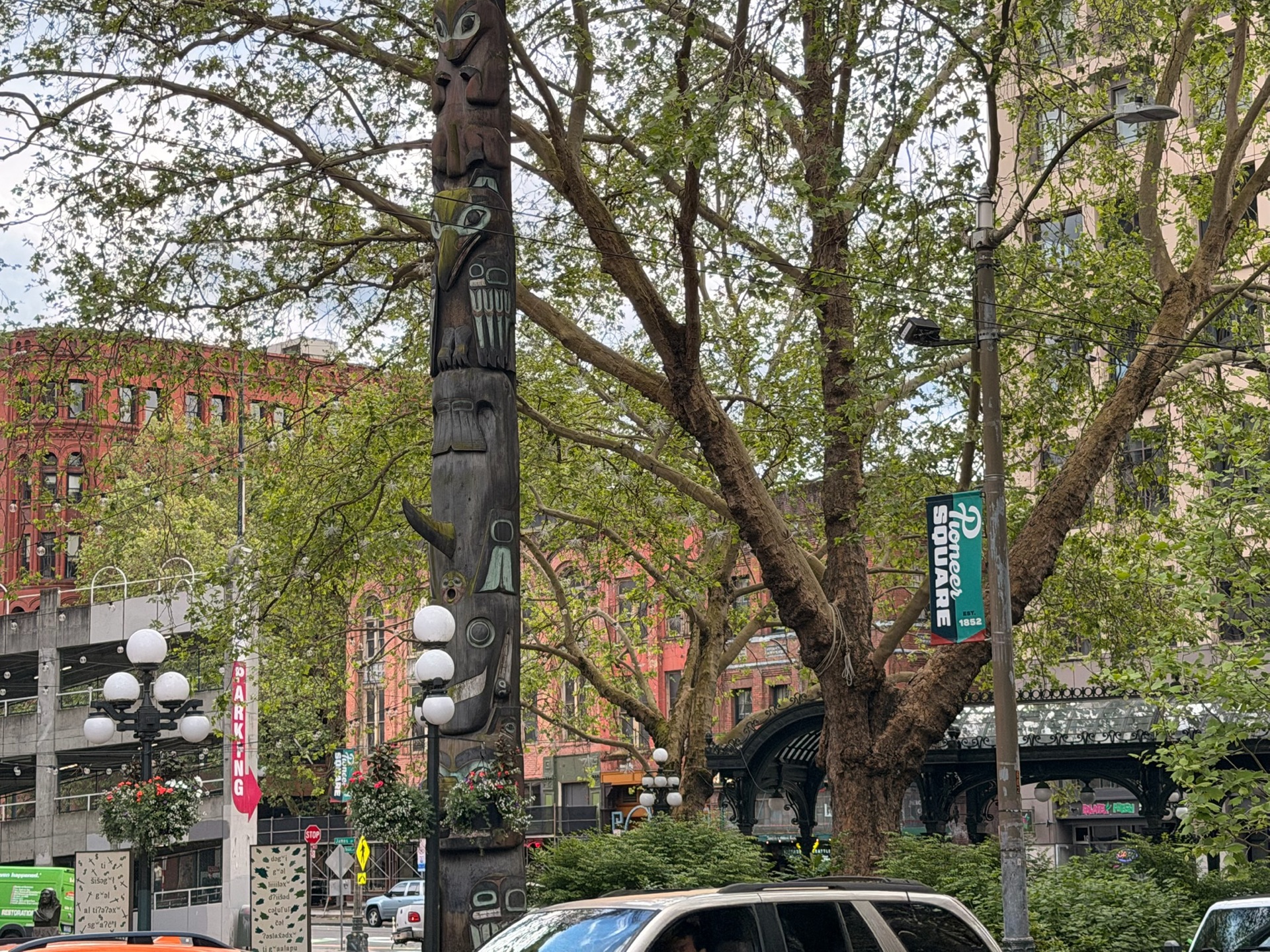
Pioneer Square is the birthplace of Seattle. When the Great Fire of 1889 burned the original downtown to the ground, the city rebuilt immediately, this time in brick and stone, which is why the neighborhood looks the way it does today. The streets were also raised an entire story during reconstruction, leaving the original ground floor of the city intact underground. That buried city still exists beneath the sidewalks, and you can walk through it on Bill Speidel's Underground Tour, one of the most genuinely fascinating things you can do in Seattle. Pioneer Square has been evolving ever since, most recently through thoughtful redevelopment that is bringing new energy without erasing what makes it irreplaceable.
Pioneer Square is one of the most distinct neighborhoods in Seattle, equal parts historic, artistic, and urban. The housing stock reflects that. This is where you find true loft living with exposed brick, soaring ceilings, and original timber beams alongside a handful of newer buildings and towers that have added modern options to the mix.
The location is exceptional. Walkable to downtown and the waterfront, steps from ferry access, light rail nearby, and easy access to I-5, I-90, and Highway 99. People who choose Pioneer Square tend to do so very intentionally.
Two stadiums anchor the southern edge of the neighborhood. T-Mobile Park for baseball and soccer, Lumen Field for football, and both host occasional summer concerts that bring the whole area to life on game days and beyond. It adds an energy to Pioneer Square that you don't find in most residential neighborhoods.
Merchants Cafe, opened in 1890, is widely recognized as Seattle's oldest standing restaurant, originally the Merchants Exchange Saloon, complete with a famously haunted underground level. The Central Saloon, established in 1892 and Seattle's oldest continuously operating bar, earned its place in music history as the Cradle of Grunge, hosting early shows for Nirvana and Soundgarden before the world knew who they were. I may or may not have danced on a table or two here back in the late 90s.
RailSpur is a beautifully done adaptive reuse project blending historic architecture with modern retail, office, and courtyard spaces — a great example of how Pioneer Square is growing without losing what makes it special. The recent addition of a Sub Pop Records flagship brings Seattle's music culture right into the heart of the neighborhood.
First Thursday Art Walk is one of the best things happening in Seattle right now. On the first Thursday of every month Pioneer Square's galleries open their doors, the streets fill up, and the whole neighborhood comes alive with creative energy. It is well worth putting on your calendar.
Pioneer Square is one of those neighborhoods that gets under your skin. Once you spend real time here it is hard to look at anywhere else the same way.
Taylor Shellfish is a true Seattle staple — and the backstory makes it even better. The Taylor family has been farming shellfish in the Pacific Northwest for generations, supplying oysters to many of the city's top restaurants. At some point they decided if everyone else was going to serve their oysters, they should have their own spot.
Order the oysters. You'll understand immediately.
These are buildings I know well and would feel comfortable recommending to a client. Pioneer Square is where building-by-building knowledge really matters — the differences are significant and worth understanding before you commit.