Madison Park's story starts with a lawyer who once practiced with Abraham Lincoln. Judge John J. McGilvra arrived in Seattle in the 1860s, purchased 420 acres on the western shore of Lake Washington for five dollars an acre, and cut a road through the forest from downtown to his land at his own expense. That road became Madison Street, still the only direct route from Puget Sound to Lake Washington. McGilvra developed the waterfront into a resort with piers, a promenade, a boathouse, and twin bandstands seating a thousand people. When the Lake Washington Ship Canal opened in 1917 and the lake dropped nine feet, new shoreline emerged and the neighborhood began its transformation from a summer destination into the quietly affluent residential enclave it is today. The Duwamish people who originally inhabited this land called it Where One Chops. The neighborhood that replaced it has been one of Seattle's most sought-after addresses ever since.
Madison Park and Madison Valley have distinct personalities that complement each other perfectly. Madison Park is classic Seattle residential, beautiful homes, mature trees, and a small village feel centered around the lakefront. Waterfront condos sit alongside single family homes that have been in families for generations. It is the kind of neighborhood where people arrive and simply never leave.
Madison Valley is where you will find an abundance of townhomes, newer construction mixed with established residential streets, slightly more accessible price points, and the same proximity to the lake and the arboretum. A great entry point into this part of the city for buyers who want the Madison Park lifestyle without the Madison Park price tag.
Both neighborhoods carry a certain old Seattle character. This is where a lot of the original Microsoft money landed, and the homes and streets reflect that quiet, understated affluence.
Madison Park Beach is one of the only swimming beaches on Lake Washington, a rare and wonderful thing in a city surrounded by water but with surprisingly limited public beach access. In summer it becomes a genuine community gathering spot, with families, dogs, and kayaks filling the shoreline.
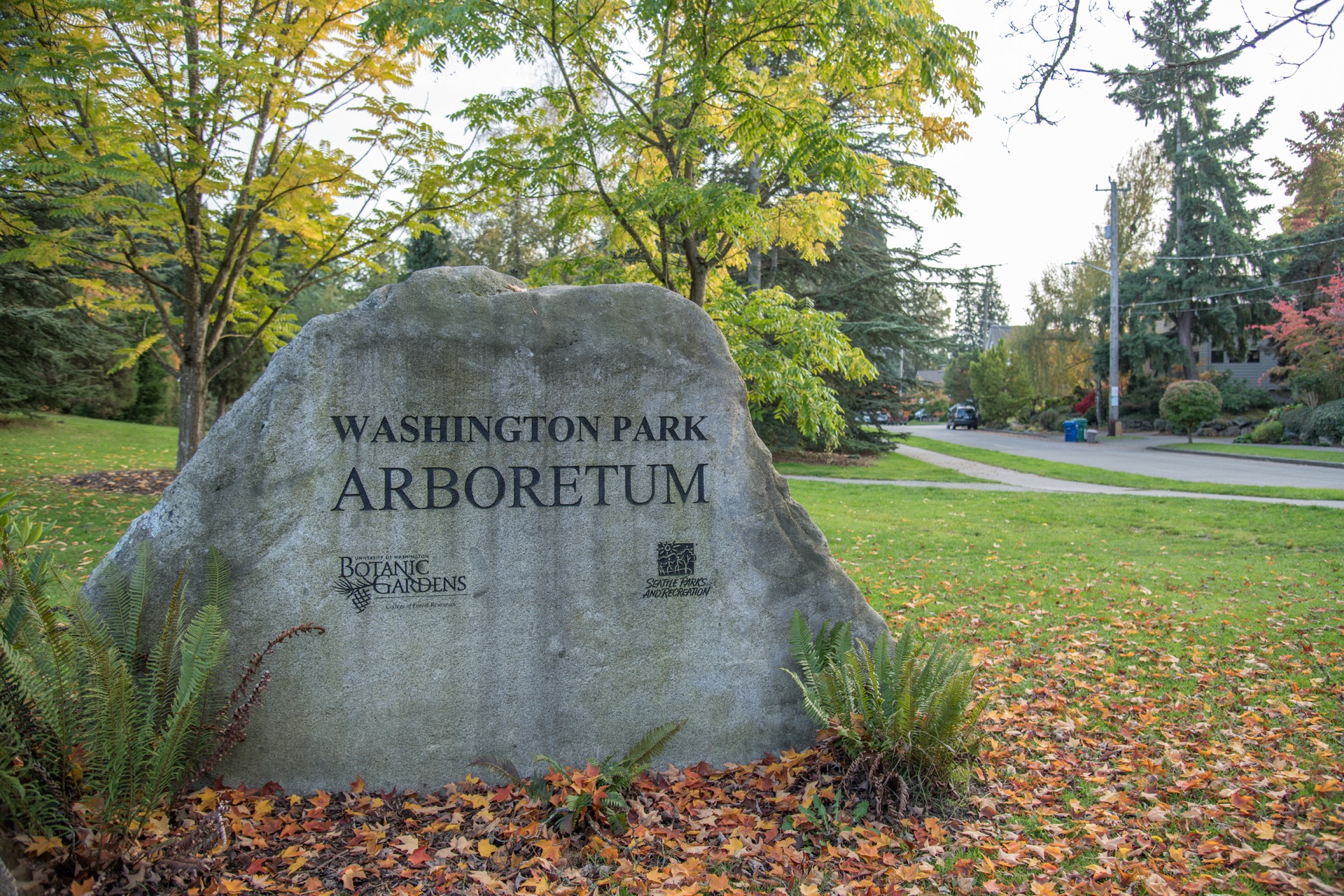
The Washington Park Arboretum stretches along the neighborhood's edge, 230 acres of curated gardens, walking trails, and seasonal blooms designed by the Olmsted Brothers and developed between 1904 and 1939. The Japanese Garden within the Arboretum is a destination in its own right.
Madison Park sits right off the 520 floating bridge, one of the most convenient access points to the Eastside in the city. For anyone working at Microsoft, Amazon's Bellevue campus, or anywhere along the 520 corridor, the location is genuinely strategic.
And then there is a detail that surprises almost everyone. Kurt Cobain's final home is in Madison Park, and right next door a small park with a simple bench has become a quiet pilgrimage site for fans from around the world who still come to pay their respects. It is an unexpectedly moving thing to stumble upon in one of Seattle's most serene neighborhoods.
Once people find Madison they tend to stay. It has the kind of livability that is hard to quantify but immediately felt.
How to Cook a Wolf is steps from Madison Park Beach and one of my favorite dinner spots in this part of the city. Chef Ethan Stowell's intimate Italian restaurant is inspired by the philosophy of MFK Fisher, taking simple ingredients and transforming them into something special.
An ever-changing menu of rustic small plates and house-made pasta, cozy booths, and a beautiful outdoor patio when the weather cooperates. A perfect date night spot and exactly the kind of restaurant that makes you feel lucky to live nearby.
These are buildings I know well and would feel comfortable recommending to a client, whether you're renting or buying.
Madison Valley in particular has a significant concentration of townhomes, newer construction with modern finishes at a range of price points. If you are considering this area I can help you identify the best options currently available and understand the differences between locations within the neighborhood.