In 1857 Lieutenant George Davidson was conducting a coastal survey of the bluff northwest of Seattle when he spotted the red-barked trees lining the hillside and recorded the area as Magnolia Bluff. They were madronas, not magnolias. The name stuck anyway. In 1896, Seattle donated 703 acres of the bluff to the U.S. Army, which established Fort Lawton as an artillery battery to defend Elliott Bay. The fort never became the major installation Seattle hoped for, but it served as the second largest port of embarkation to the Pacific Theater during World War II. In 1973 the Army returned 534 acres to the city, and Discovery Park was born. The neighborhood that grew up around all of this has been one of Seattle's most quietly desirable addresses ever since, connected to the rest of the city by exactly three bridges and not particularly apologetic about it.
Magnolia is primarily a neighborhood of single family homes, well-maintained properties on tree-lined streets with real character and real backyards. The housing stock ranges from mid-century ranches and classic Colonials to contemporary builds with jaw-dropping water views. It is the kind of neighborhood where homeowners put down roots and stay for decades.
The commercial heart of Magnolia is The Village, a small walkable business district tucked in the valley between the neighborhood's two hills. Independent shops, restaurants, a bookstore, a bakery, and a Saturday farmers market running June through October all contribute to a genuine small-town feel that is almost incongruous with its urban location.
It is worth being honest. Magnolia is car-dependent by nature. Transit options are limited given its peninsula geography, and most residents drive. The Elliott Bay Trail runs along the waterfront and connects the neighborhood by bike to downtown and beyond, which helps. But for people who want space, quiet, and extraordinary natural beauty within Seattle city limits, the tradeoff is one they make happily.
Discovery Park is the crown jewel — Seattle's largest park at 534 acres, with 11 miles of walking trails, protected tidal beaches, sea cliffs, meadows, and the historic West Point Lighthouse built in 1881, the oldest on Puget Sound. For music fans, Discovery Park is the iconic filming location for Temple of the Dog's 1991 music video for Hunger Strike. Standing at those bluffs it is easy to see why.
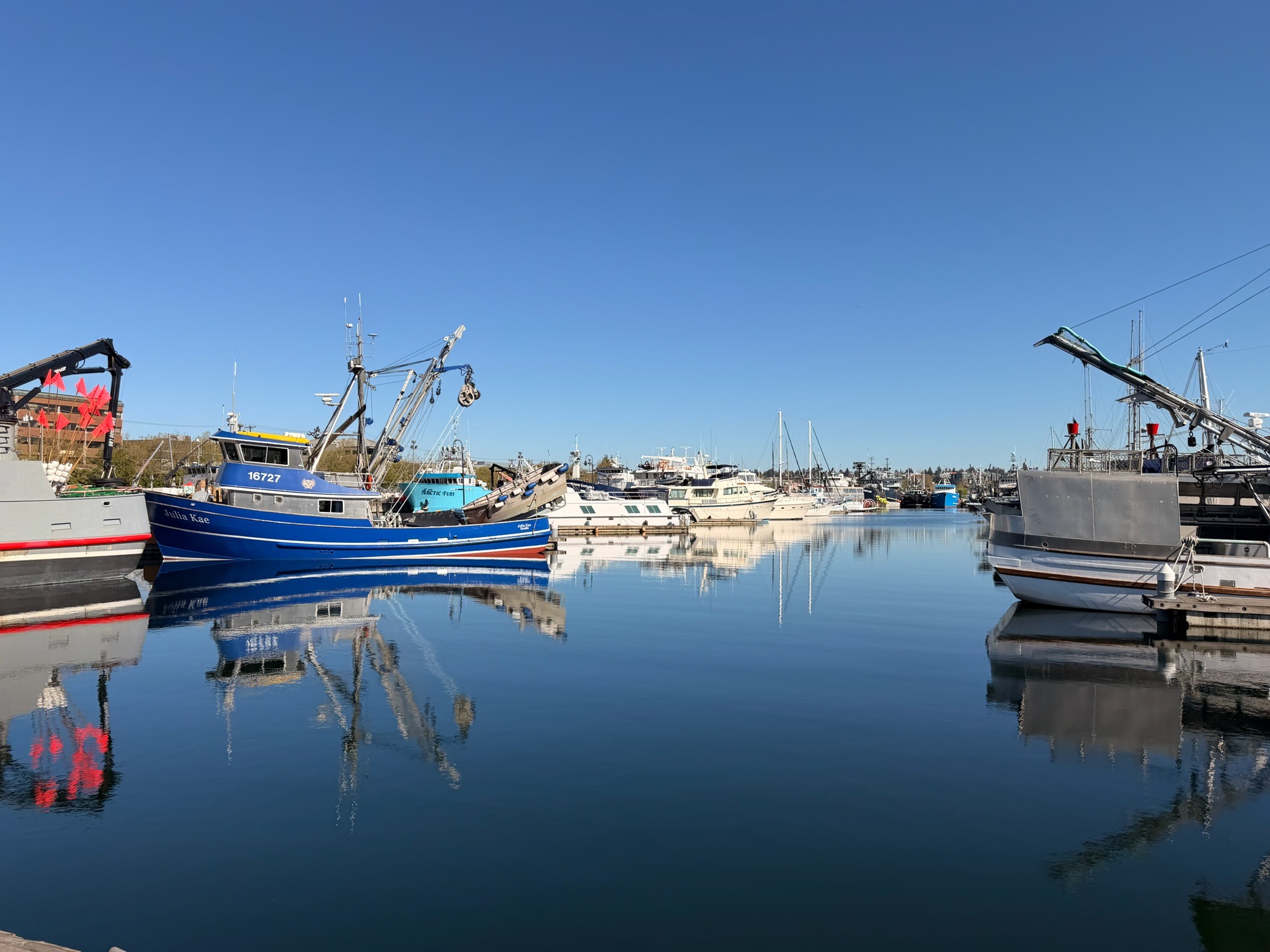
Fishermen's Terminal on the north end is home to the North Pacific fishing fleet, one of those only-in-Seattle details that reminds you the city still has deep working waterfront roots. Chinook's at Salmon Bay is the go-to dining spot there and worth the trip on its own.
Magnolia Park on the bluff offers some of the most spectacular views of Mount Rainier and the downtown skyline you will find anywhere in Seattle, picnic tables, tennis courts, and a front-row seat to some of the best sunsets in the city.
Once people settle into Magnolia they rarely want to leave. The combination of space, views, and community is genuinely hard to replicate anywhere else in Seattle.
Mondello Ristorante is exactly what a neighborhood Italian restaurant should be — warm, consistent, and the kind of place you take out-of-town guests when you want to show off your neighborhood. Cozy atmosphere, excellent pasta, and the kind of service that makes you feel like a regular from the first visit.
It has been a Magnolia staple for years and shows no signs of slowing down. One of those restaurants that makes you feel lucky to live nearby.
Magnolia is primarily single family homes, with a smaller selection of condos for buyers looking for lower-maintenance living.