Capitol Hill Condos and Townhomes: A First-Time Buyer's Guide
Capitol Hill is one of Seattle's most walkable, transit-connected neighborhoods, and its mix of condos and townhomes makes it one of the more accessible urban entry points for first-time buyers. The segment spans a wide range, from sub-$500K studios in older buildings to seven-figure townhomes on quieter residential blocks. Down payment assistance through the City of Seattle and Washington State can meaningfully reduce the cash you need to get in.
Key Takeaways
Over the trailing 90 days, Capitol Hill's median sale price is $870,000 with a median of 48 days on market.
Condos dominate Capitol Hill's ownership housing stock. Townhomes are more common on the neighborhood's northern edges and typically offer more bedrooms and private outdoor space.
The Seattle Office of Housing offers down payment assistance for income-eligible first-time buyers purchasing within Seattle city limits, and Capitol Hill qualifies.
HOA dues on Capitol Hill condos vary significantly by building age and amenities. They directly affect your total monthly payment, sometimes more than the difference in purchase price between two units.
What the Capitol Hill Market Looks Like for First-Time Buyers
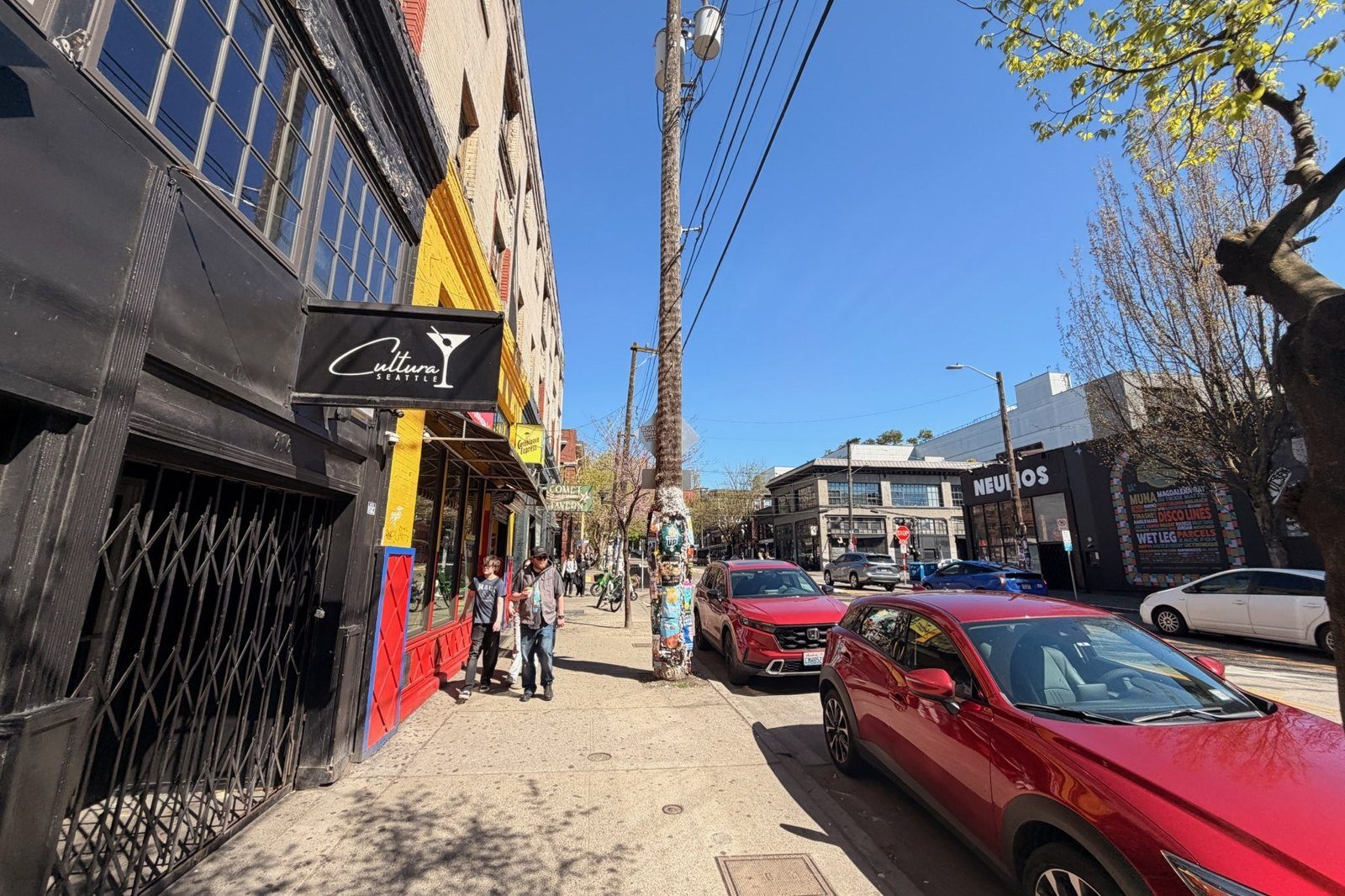
Capitol Hill is dense, walkable, and full of personality, and its housing market reflects that. Condos are the dominant ownership type in the neighborhood's core, concentrated along and around the Pike/Pine corridor. Townhomes appear more frequently as you move north toward Aloha Street and the quieter, more residential blocks bordering Eastlake and Montlake.
The neighborhood median covers all property types. For buyers focused on condos and townhomes specifically, here's a practical way to think about what different budgets get you.
Under $500,000. A studio or one-bedroom condo, typically in an older building. HOA dues at this tier are a significant factor in your real monthly cost. A $450,000 condo with $600 a month in dues can cost more per month than a $550,000 unit with $300 a month in dues.
$500,000 to $800,000. One- to two-bedroom condos in mid-tier or converted buildings, or smaller townhomes on the northern edge of Capitol Hill. More space, often more character, and sometimes lower HOA costs if the building is a smaller conversion.
$800,000 to $1.1 million. Larger two- to three-bedroom condos in newer construction, or well-located townhomes with private outdoor space. This is the upper tier of the condo market and the heart of the townhome segment.
These are structural ranges, not guarantees. Individual units vary based on floor level, views, building condition, and how recently they were updated. The only way to know what a specific unit is worth right now is to pull the comparable sales, which is exactly what I do before my clients make any offer.
How Capitol Hill Compares to Other Seattle Neighborhoods
Trailing 90 days:
| Area | Median Sale Price | Median Days on Market |
|---|---|---|
| Ballard | $899,000 | 57 |
| Beacon Hill | $770,000 | 52 |
| Belltown | $484,999 | 41 |
| Capitol Hill | $870,000 | 48 |
| Central District | $792,000 | 48 |
| Columbia City | $724,950 | 55 |
| Denny Triangle | $650,000 | 41 |
| Downtown Seattle | $747,625 | 51 |
| Georgetown | $549,950 | 25 |
Capitol Hill sits at the higher end of this group, above Downtown Seattle and well above Belltown. That gap says more about property mix than about desirability. Belltown and Downtown medians are pulled down by a heavy concentration of smaller condo units, while Capitol Hill's median reflects a broader mix that includes larger townhomes and single-family homes. Compare like to like and the picture narrows considerably, which is why a neighborhood median is a starting point for a conversation rather than a budget.
Down Payment Assistance for a Capitol Hill Purchase
Capitol Hill sits within Seattle city limits, which means you can pursue both city-level and state-level assistance, and in some cases combine them.
Seattle Office of Housing. The city offers down payment assistance to eligible first-time buyers purchasing within Seattle city limits. Qualification is based on household income relative to area median income, and you generally must not have owned a home in the past three years. The assistance is structured as a deferred second loan recorded against the property rather than a grant, so it's repaid when you sell, refinance, or pay off the home. Buyers complete homebuyer education and, typically, individual counseling before closing. That education requirement is worth taking seriously. It has helped a number of my clients avoid expensive mistakes on a first purchase.
Washington State Housing Finance Commission. WSHFC's Home Advantage program pairs a primary mortgage with a second loan for down payment and closing costs. WSHFC also administers the Covenant Homeownership Program, which offers substantially larger assistance to buyers who meet its specific eligibility criteria. Those criteria are narrower than the general first-time buyer programs, and your lender is the right person to confirm whether you qualify.
Whether city and state programs can be layered depends on the specific programs, your lender, and your income and purchase price. Current maximum amounts and income limits change, so confirm both with a lender experienced in these programs before you start making offers rather than relying on a figure you read anywhere, including here.
Do You Need 20 Percent Down?
No. Conventional loans are available with as little as 3 to 5 percent down for qualified buyers, and FHA loans allow 3.5 percent down for buyers with qualifying credit scores.
Condo financing carries one extra layer: the building itself has to be approved for the loan type you're using. FHA condo approval requires the building to meet specific owner-occupancy ratios and financial reserve requirements, and not every Capitol Hill building qualifies. I check this early, before a client falls for a unit that won't finance the way they planned.
Condo or Townhome?
Condos. Units in Capitol Hill's core, especially along and near the Pike/Pine corridor, put you within walking distance of restaurants, coffee shops, the Capitol Hill Link station, and most of what makes the neighborhood worth living in. For buyers who want to minimize car ownership, a well-located Capitol Hill condo is one of the strongest options in Seattle.
The trade-offs are shared walls, limited or no private outdoor space, and dues that range from modest to substantial. Older buildings often carry lower purchase prices but higher maintenance risk and potentially underfunded reserves. Newer construction tends toward lower maintenance risk with higher dues. I walk every condo buyer through the HOA financials, the reserve study, and recent meeting minutes before we go under contract, because a building with deferred maintenance turns a good deal into a costly one.
Townhomes. These cluster north of the Pike/Pine core, on blocks that feel noticeably quieter and more residential. They typically offer two to three bedrooms, some private outdoor space, and a layout closer to a house than a condo. For buyers who want the neighborhood but need more room, or who are planning for a longer stay, a townhome is often the better long-term fit.
HOA arrangements on townhomes vary. Some have no traditional association but a shared maintenance agreement with neighboring units. Others have a small HOA covering exterior maintenance and common areas. Either way, it's worth understanding exactly what you're responsible for before you close.
The price premium for a Capitol Hill townhome over a comparable condo is real, and so is the difference in what you get. Your budget, your income, how long you plan to stay, whether you own a car, and how much outdoor space matters to you are what decide it. That's a conversation worth having before you start touring, not after you've already fallen for a unit.
Frequently Asked Questions
Is it realistic to buy a Capitol Hill condo as a first-time buyer?
Yes, with a clear-eyed budget. The neighborhood median across all property types is $870,000, but the condo segment includes units well below that, and studios and one-bedrooms in older buildings can come in under $500,000. Assistance through the Seattle Office of Housing and WSHFC can close part of the gap for income-eligible buyers. The key is understanding your full monthly cost, meaning purchase price plus HOA dues plus taxes and insurance, rather than anchoring on the list price alone.
What's the real difference between a condo and a townhome here?
Condos in the core offer walkability and transit with shared maintenance handled through an HOA, though dues vary widely by building and can meaningfully change your monthly payment. Townhomes on the quieter northern blocks typically offer more bedrooms, private outdoor space, and sometimes lower or no traditional HOA fees, with more individual maintenance responsibility in exchange.
How much down payment help can I get, and does Capitol Hill qualify?
Capitol Hill is inside Seattle city limits, so it qualifies for the city's program. Amounts depend on your household income relative to area median income, your loan type, and which programs you stack. Because maximums and income limits are adjusted periodically, get current figures from a lender who works with both the Seattle Office of Housing and WSHFC rather than relying on a published number.
Are HOA dues on Capitol Hill condos really that significant?
They vary a great deal. Older buildings with fewer amenities tend toward the lower end, while newer buildings with concierge service, a gym, or a rooftop deck run considerably higher. At the sub-$500,000 tier especially, dues can make a lower-priced unit more expensive per month than a pricier one. Before any offer I review the full HOA financials with my clients, including the reserve study, the budget, and recent meeting minutes, to confirm the building is financially healthy.
Is Capitol Hill good for car-free living?
It's among the best neighborhoods in Seattle for it. The Capitol Hill Link station connects directly to downtown, the University District, and Sea-Tac Airport, and the Pike/Pine corridor puts groceries, restaurants, and services within walking distance of most addresses.
Can I combine Seattle and Washington State assistance for a townhome?
Often yes. Townhomes within city limits are generally eligible for the same programs as condos. What you can actually stack depends on the income and purchase price limits attached to each program and on your loan type, which is a question for a lender familiar with both.
Capitol Hill's mix of condos and townhomes gives first-time buyers more genuine options than most Seattle neighborhoods. Building health, HOA finances, loan eligibility, and assistance program stacking are what separate a good purchase from a costly one, and that's the work I do with clients before they ever make an offer.
Schedule a consultation and let's figure out what Capitol Hill can look like for your budget, or search current Capitol Hill listings with live MLS data through RealScout.
About Kim Reidy
Kim Reidy is a Senior Broker and Director of Relocation at Pointe3 Real Estate in Seattle who has been helping corporate transferees and individuals find the right neighborhood since 2010. A Certified Negotiation Expert (CNE) and Certified Buyer Agent Expert (CBAE), she's known as Seattle's "neighborhood whisperer."
Pointe3 Real Estate · (206) 237-6391
Equal Housing Opportunity. Kim Reidy is licensed in Washington State, regulated by the Washington State Department of Licensing. This article is general information only and is not legal, tax, or financial advice. Down payment assistance program terms, income limits, and maximum amounts change; verify current details with your lender. Property search powered by RealScout pulling live MLS data; all information should be independently reviewed and verified for accuracy.