Choosing a Seattle condo means evaluating the building as much as the unit itself. HOA financial health, reserve study status, floor level, noise exposure, and building-specific rules all shape your daily experience and long-term resale value more than square footage alone.
What should Seattle condo buyers look for in a building?
The building matters as much as the unit. In Seattle's condo market, HOA financial health, reserve study status, floor level, noise exposure, and building rules are the factors that separate a smart purchase from an expensive lesson. Buyers who focus only on finishes and views often miss the risks sitting inside the HOA documents.
Key Takeaways
- Recent local market data shows median sale prices ranging from $484,999 in Belltown to $899,000 in Ballard, reflecting the wide spread across Seattle's condo-heavy and single-family neighborhoods.
- Washington law requires most condo associations to update their reserve study annually, with a full visual site inspection by a reserve study professional at least every three years.
- A building's reserve fund percent-funded, planned special assessments, and 30-year projected balance are the three numbers that tell you whether the HOA can handle major repairs without hitting owners with surprise bills.
- Floor level affects noise, natural light, views, elevator dependence, and resale. It's one of the most underrated variables in a condo purchase decision.
- Building rules on rentals, pets, and short-term stays can make or break a unit's flexibility for your lifestyle and future exit options.
Why does the building matter more than the unit in a Seattle condo purchase?
I tell every condo buyer I work with the same thing: you can renovate the unit, but you can't renovate the building. The roof, elevators, parking structure, exterior walls, and common-area systems are shared costs, and if the association hasn't been funding them properly, that bill lands on every owner eventually.
That's not a hypothetical. Seattle has a significant stock of condos built during the 1980s and 1990s, and some of those buildings are hitting major capital replacement cycles right now. A beautiful unit in a financially stressed building is a liability, not an asset.
According to NWMLS data from May 2026, active listings across the region grew 16.8% year over year, reaching 21,381 properties. More inventory means buyers have more choices, and more reason to be selective about which building they commit to.
How do I read a Seattle condo reserve study?
The reserve study is the single most important document in a condo purchase. Washington law requires most condo associations to update their reserve study every year, with a full visual site inspection by a qualified reserve study professional at least every three years. Older associations fall under RCW 64.34.380; associations formed on or after July 1, 2018, or that have opted in, are governed by the Washington Uniform Common Interest Ownership Act at RCW 64.90. Ask which chapter applies to your building, because the details differ. Either way, that's the floor, not the ceiling. A well-run building does more.
What you're looking for inside that document:
- Percent funded. This tells you how much of the projected reserve need is actually sitting in the fund. A well-funded building is generally above 70%. Below 30% is a red flag.
- 30-year projected reserve balance. Does the fund stay positive, or does it go negative in year 8? A negative projection means a special assessment is likely.
- Planned special assessments. Any disclosed upcoming assessments should factor directly into your offer price and your budget.
- Recent meeting minutes. These reveal what the board is actually dealing with: deferred maintenance, owner disputes, litigation, contractor bids.
The purpose of Washington's reserve framework is to reduce reliance on unexpected special assessments. A building that's following the law and funding properly shouldn't surprise you. One that isn't will.
One more thing worth asking about: smaller associations may be exempt from reserve-study requirements under certain conditions. In a boutique building, ask specifically whether a reserve study exists, and if not, why.
What else should I ask for before making an offer?
Beyond the reserve study, I always ask for the current operating budget, the most recent financial statements, and at least 12 months of board meeting minutes. The budget tells you whether dues are covering real costs or just kicking the can. The minutes tell you what the board knows that isn't in the marketing materials.
Ask directly: Is there any pending or anticipated litigation involving the association? Any known building defects? Any planned capital projects not yet reflected in the reserve study? These aren't gotcha questions. A healthy building has straightforward answers.
How do floor level, noise, and building layout affect your daily life in a Seattle condo?
Floor level is one of the most underrated variables in a condo purchase, and it's one I spend real time on with every buyer. The tradeoffs are real and they compound over time.
Higher floors: views, light, and elevator dependence
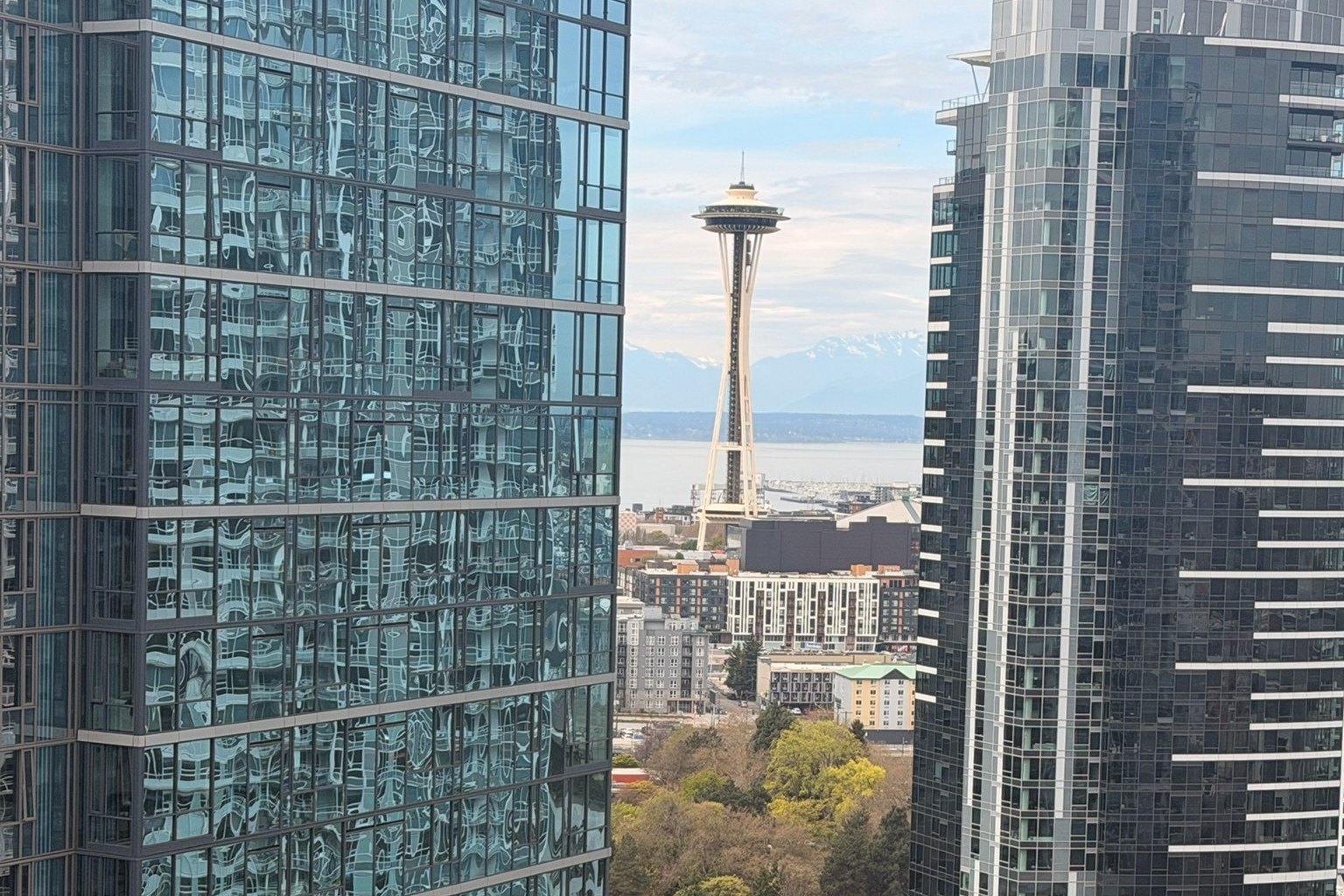
Upper floors in Seattle high-rises offer better views, more natural light, and typically less street noise. In condo-dense neighborhoods like Belltown and Denny Triangle, where recent local market data shows medians around $484,999 and $650,000, a higher floor with water or skyline views can represent a meaningful premium, and it holds resale value well.
The tradeoffs: you're dependent on elevators, which can be a daily friction point in older buildings with limited elevator count. Wind noise on upper floors in a glass tower can be significant. And in a building with deferred maintenance, elevator reliability becomes a quality-of-life issue fast.
Lower floors: access, noise, and privacy
Lower floors are easier to access and often less expensive, which matters for first-time buyers watching their budget. But in dense neighborhoods, street-level noise, reduced privacy, and limited natural light are real considerations. A unit facing an alley in Pioneer Square feels very different from a unit facing a courtyard in Eastlake, and that's a building-and-floor decision, not a unit decision.
I'd rather tell a buyer honestly that a specific floor and exposure won't suit their lifestyle than let them discover it six months in. That conversation is part of what I do before we ever write an offer.
Building amenities: what actually moves the needle
Amenities are a selling point in every listing, but not all of them deliver equal value. Here's how I think about it with buyers:
- Rooftop decks and common outdoor space. High value in Seattle, where good weather days are worth maximizing. Check whether the space is actually maintained and accessible.
- Fitness center. Useful if it's well-equipped and not perpetually crowded. In a small building, a single treadmill and some free weights may not replace your gym membership.
- Concierge and package lockers. Practical for buyers who travel frequently or work from home and receive regular deliveries.
- Parking. In car-dependent situations, deeded parking is a significant asset. In a walkable neighborhood with strong transit access, the calculus changes, and some buyers are better off skipping the parking space and reducing their purchase price.
- Guest suites. Underrated amenity for buyers in smaller units who host regularly.
The amenities that look impressive in photos, wine cellars, golf simulators, screening rooms, tend to matter less over time than the basics: clean common areas, reliable elevators, and a responsive building staff.
How do Seattle's condo neighborhoods compare for buyers?
Price and pace vary significantly across Seattle's condo-heavy neighborhoods. The table below shows recent local market data across areas where I work most frequently with condo buyers. These are area-level medians, and an individual unit's value depends on floor, view, condition, and building.
| Area | Median Sale Price | Median Days on Market |
|---|---|---|
| Ballard | $899,000 | 57 |
| Beacon Hill | $770,000 | 52 |
| Belltown | $484,999 | 41 |
| Capitol Hill | $870,000 | 48 |
| Central District | $792,000 | 48 |
| Columbia City | $724,950 | 55 |
| Denny Triangle | $650,000 | 41 |
| Downtown Seattle | $747,625 | 51 |
Belltown and Denny Triangle draw buyers who want walkable access to downtown, dining, and transit, and both turn over fastest in this group at 41 days, which reflects how condo-dominated their inventory is. Capitol Hill and Ballard offer a different pace and more neighborhood character with less high-rise density, and their higher medians reflect a larger share of single-family and townhome stock rather than a premium on condos specifically. When you're comparing these numbers, remember you're often comparing different property types, not the same product at different prices.
If walkability and transit access are your priorities, those factors should drive your neighborhood choice more than the listing itself. A great unit in the wrong location for your daily life is still the wrong unit.
For property tax information specific to your Seattle condo, King County's property tax page is the right place to verify current assessment and billing procedures.
The NWMLS Monthly Market Snapshot reported that at the August 2026 pace of sales, it would take approximately 4.21 months to sell every home currently listed across the NWMLS service area, a regional figure reflecting a more balanced market than Seattle saw during the peak years. More balance means more room to negotiate on price and terms, including asking the seller to address reserve-study concerns before closing.
Your specific situation, budget, lifestyle priorities, and how long you plan to stay determine which neighborhood and building type makes the most sense. That's exactly the kind of analysis I work through with buyers before we start touring.
Frequently Asked Questions
How do I tell if a Seattle condo HOA is financially healthy?
Request the current reserve study, operating budget, and most recent financial statements. A healthy HOA will provide these without hesitation. Look specifically at the reserve fund's percent-funded figure and the 30-year projected balance. Washington requires most associations to update their reserve study annually, so current documentation should exist. Meeting minutes from the past 12 months often reveal deferred maintenance or disputes that don't show up in the financials.
What should I look for in a Seattle condo reserve study?
Focus on three numbers: the percent funded, the 30-year projected balance, and any disclosed planned special assessments. Washington's reserve framework exists to fund future component replacements and reduce surprise assessments, so a well-funded building shouldn't need to hit owners with large unplanned bills. If the study is more than three years old or was never based on a visual site inspection, treat that as a gap to investigate. Confirm whether your building falls under RCW 64.34 or the newer WUCIOA at RCW 64.90, since the requirements differ.
How does floor level affect noise, light, views, and resale in Seattle condos?
Higher floors generally offer better views, more natural light, and less street noise, which supports stronger resale value, particularly in high-rise neighborhoods like Belltown and Denny Triangle. Lower floors trade those benefits for easier access and typically lower price points, but can face more noise and privacy tradeoffs depending on the building's orientation and street activity. Floor level is one of the most consequential decisions in a condo purchase and deserves more attention than most buyers give it upfront.
How much does a special assessment matter when buying a condo?
A disclosed special assessment matters a lot. It's a direct out-of-pocket cost that should factor into your offer price and your budget planning. An undisclosed or anticipated assessment is even more important to surface before closing, which is why reviewing meeting minutes and asking the seller directly about known building issues is essential. Washington's reserve-study framework exists specifically to reduce reliance on special assessments, so a building with a poorly funded reserve and aging components is carrying real financial risk for its owners.
What questions should I ask before making an offer on a Seattle condo?
Ask for the current reserve study, operating budget, most recent financial statements, and at least 12 months of board meeting minutes. Then ask directly: Is there any pending litigation involving the association? Any known building defects or deferred maintenance? Any planned capital projects or special assessments not yet reflected in the reserve study? What are the rental and pet rules? How many units are owner-occupied versus rented? The answers tell you as much about the building's health as anything in the listing.
Buying a Seattle condo well means understanding what you're buying into, the building, the association, and the specific floor and exposure, before you fall in love with the finishes. That's the work I do with every condo buyer I represent.
If you're ready to start evaluating buildings seriously, schedule a consultation and I'll walk you through exactly what to look for in the neighborhoods and buildings that fit your priorities.
About Kim Reidy
Kim Reidy is a Senior Broker and Director of Relocation at Pointe3 Real Estate in Seattle who has been helping corporate transferees and individuals find the right neighborhood since 2010. A Certified Negotiation Expert (CNE) and Certified Buyer Agent Expert (CBAE), she's known as Seattle's "neighborhood whisperer."
Pointe3 Real Estate · (206) 237-6391
Equal Housing Opportunity. Kim Reidy is licensed in Washington State, regulated by the Washington State Department of Licensing. This article is general information only and is not legal, tax, or financial advice. Statutory requirements vary by when an association was formed; confirm which chapter governs your building with an attorney or your escrow officer. Property search powered by RealScout pulling live MLS data; all information should be independently reviewed and verified for accuracy.