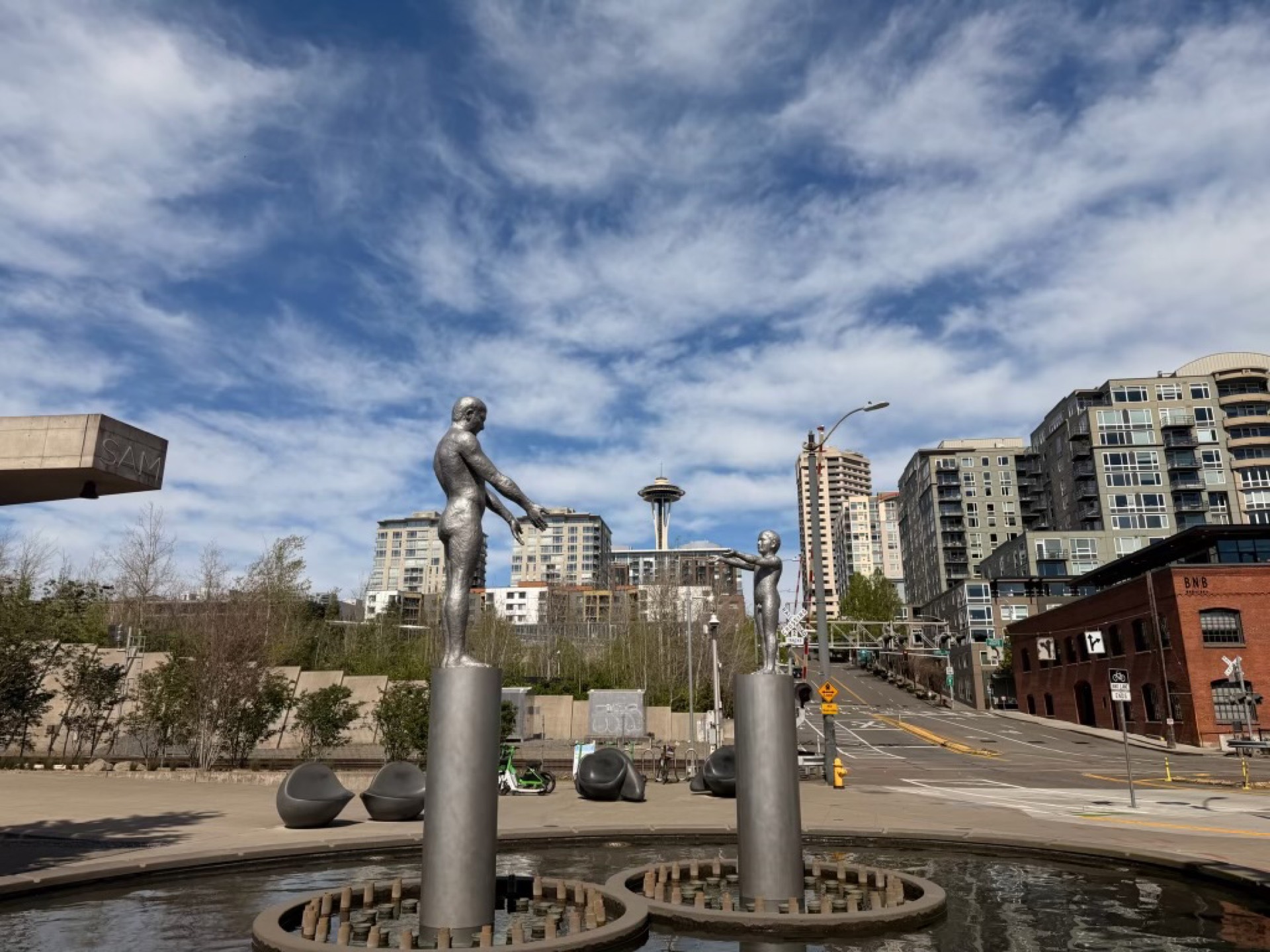
In Belltown, the building matters as much as the unit. Views, noise exposure, and HOA financial health vary dramatically from one high-rise to the next, and in a buyer's market with 130+ active listings, knowing how to evaluate each factor before making an offer is what separates a smart purchase from a costly mistake.
How do you choose the right condo building in Belltown, Seattle?
Choosing the right Belltown condo comes down to three things: view quality and floor position, noise exposure based on building orientation and street activity, and the financial health of the HOA. In a neighborhood with this much inventory and this much price volatility, the building you pick matters more than almost any interior finish or floor plan detail.
I've worked with buyers in Belltown long enough to say this with conviction: two units in the same neighborhood, priced identically, can have completely different long-term outcomes depending on the building they're in. One has a healthy reserve fund, a well-run board, and an Elliott Bay view. The other has a pending special assessment, a loading dock below it, and a partial skyline view that's about to be blocked by a new tower going up next door.
That gap is real, and it's why I spend as much time evaluating buildings as I do individual units when I'm working with Belltown buyers.
What the Belltown Condo Market Looks Like Right Now
Belltown is Seattle's densest condo submarket, with a mix of early-2000s mid-rises and newer luxury high-rises, many of them 20 to 30-plus stories. Recent Zillow market data puts the Belltown median sale price at $484,999, with homes spending about 41 days on market and roughly 130 active listings available as of August 2026. That's a meaningful amount of choice.
But the headline numbers only tell part of the story. Monthly recaps based on NWMLS data show Downtown/Belltown has been one of the more volatile condo zones in Seattle through 2026, with year-over-year median price swings ranging from double-digit declines in February, March, and June 2026 to a sharp spike in April driven largely by luxury sales at the top end. That kind of volatility is a signal, not noise: it tells you the market is sensitive to HOA cost trends, macro conditions, and the specific composition of what's selling in any given month.
For context, here's how Belltown compares to other Seattle condo and residential areas based on recent Zillow sales data (trailing roughly 90 days, as of August 2026):
| Area | Median Sale Price | Median Days on Market |
|---|---|---|
| Ballard | $899,000 | 57 |
| Belltown | $484,999 | 41 |
| Capitol Hill | $870,000 | 48 |
| Columbia City | $724,950 | 55 |
| Denny Triangle | $650,000 | 41 |
| Downtown Seattle | $747,625 | 51 |
Belltown's lower median reflects its condo-heavy composition and current buyer-market conditions. A Q1 2026 NWMLS-based snapshot put the Downtown/Belltown condo median at approximately $599,000 in March 2026 with active inventory around 255 units, consistent with roughly 8.5 months of supply, firmly buyer territory.
That means you have real negotiating leverage right now, including on inspection repairs, concessions, and sometimes HOA-related terms. Your specific number will depend on the building, floor, view, and condition. That's where a current market analysis of the specific unit you're considering becomes essential.
The Three Things That Actually Determine Building Quality in Belltown
1. Views: Floor Level and Orientation Are Everything
In a high-rise neighborhood, the building matters as much as the unit, and within the building, floor level and orientation can shift price-per-square-foot dramatically. This is one of the core truths I walk every Belltown buyer through before we even start touring.
Belltown's view hierarchy breaks down roughly like this:
- Elliott Bay and waterfront views (west- and southwest-facing, upper floors): These are the premium. Units in Belltown's western-edge towers with unobstructed water views command a measurable price premium and tend to hold buyer interest even when the broader market softens.
- Space Needle and city skyline views (north- and northeast-facing): Heavily marketed and consistently priced above interior-facing units. These views are a real asset, as long as no new construction is planned on adjacent lots to the north.
- Partial or "peekaboo" views (lower floors, denser interior positions): These need to be evaluated carefully. A partial water sliver on the 8th floor can disappear entirely if a new tower goes up across the street. Belltown has a history of ongoing development, and I always advise buyers to research active or permitted projects on adjacent parcels before committing to a lower-floor view unit.
The practical takeaway: don't pay a view premium for a view that isn't protected. Ask about what's planned or permitted on neighboring lots. I can help you research that before you make an offer.
2. Noise: Building Orientation and Floor Position Matter More Than You Think
Belltown is one of Seattle's most walkable and most active neighborhoods. That walkability comes with a trade-off: bars, restaurants, and late-night activity along the main corridors generate real noise, especially for lower-floor units or buildings situated directly above popular venues.
Here's what I coach buyers to look at beyond the obvious street noise:
- Loading docks and alleys: In dense urban high-rises, a unit facing an alley can be surprisingly loud several floors up, garbage pickup, deliveries, and HVAC equipment don't disappear just because you're on the 12th floor.
- Interior courtyard vs. street-facing orientation: Some buildings in Belltown are designed so that interior-facing units trade the view for significantly more quiet. Depending on your lifestyle, that can be the right call.
- Active construction on adjacent lots: Given Belltown's development trajectory, construction noise is a real factor. Check what's happening on neighboring parcels, both for noise now and for view impact later.
Higher floors generally help with street noise, but they don't solve all of it. The best way to assess noise is to visit the unit at different times of day, including an evening.
3. HOA Health: This Is Where Buyers Get Surprised
This is the factor I see buyers underweight most often, and it's the one that can cost you the most over time.
Many of Belltown's mid-rise buildings completed between roughly 2001 and 2010 are now entering major capital-expenditure cycles: facade work, elevator modernization, common-area refreshes. That means HOA dues in some of these buildings are under upward pressure, and special assessments are a real possibility if reserves haven't kept pace with building age.
The good news: Washington state gives you a formal mechanism to evaluate this. Sellers of Washington condos are required to provide buyers with a Condominium Resale Certificate during escrow. Older associations fall under RCW 64.34.425; those formed on or after July 1, 2018, or that have opted in, fall under the Washington Uniform Common Interest Ownership Act at RCW 64.90.640. Either way, you get the document package, which typically includes:
- The current HOA budget and financial statements
- Reserve study or reserve fund information
- CC&Rs, bylaws, and house rules
- Details on any pending or recent special assessments
- Information on rental caps, pet policies, and use restrictions
- Disclosure of any significant litigation involving the association
This statutory requirement makes HOA review a formal due-diligence step in every Washington condo purchase, not just an informal check. You'll have a defined window during escrow to review these documents and ask questions before waiving your contingency.
What I tell buyers to focus on in the resale certificate:
- Reserve fund balance relative to building age: A 20-year-old building with an underfunded reserve is a yellow flag. Ask what major projects are on the horizon and whether the reserves are sized for them.
- Special assessment history: Has the building levied special assessments in the past five years? Are any pending or anticipated? This is one of the most important questions to ask the HOA or property manager directly.
- Governance quality: Active board, regular meetings, professional management. These are signals of a well-run association that's less likely to surprise you.
- Rental caps and short-term rental restrictions: These affect both your flexibility and the building's financing eligibility for conventional loans.
Early-to-mid 2026 market commentary from Seattle Condos and Lofts has specifically tied some of the Downtown/Belltown price softness to buyer sensitivity around HOA cost trends. That's not a coincidence. Buildings with healthy reserves and transparent governance are holding buyer interest better than those with uncertainty baked in.
How the Escrow Process Works for a Belltown Condo Purchase
Washington uses an escrow-based closing process. Once you and the seller reach mutual acceptance on a purchase and sale agreement, the agreement goes to a neutral escrow company, which opens a file and assigns an escrow number. Earnest money is typically deposited within about two business days of mutual acceptance, held in trust until closing conditions are met.
The escrow agent receives the deed from the seller and funds from you (and your lender), follows escrow instructions that mirror your purchase agreement, coordinates with title to confirm clear ownership, and then records the deed with King County and disburses funds once all conditions are satisfied. For condo purchases, escrow also handles HOA dues proration, transfer fees, and any special assessments specified in the contract.
The HOA document review happens early in this window. You'll receive the resale certificate package and have a defined number of days to review and either approve or flag concerns before your contingency deadline. That window is your best opportunity to evaluate noise-related rules (quiet hours, short-term rental restrictions), view-sensitive policies (balcony use, window replacement rules), and the overall financial picture of the association.
Don't treat this as a formality. In Belltown, it's one of the most important steps in the entire transaction.
Frequently Asked Questions
Is Belltown a buyer's market or a seller's market for condos right now?
As of August 2026, Belltown is firmly a buyer's market. NWMLS-based data from earlier in 2026 showed roughly 8.5 months of supply in the Downtown/Belltown condo segment, well above the threshold that typically signals buyer leverage. Recent Zillow market data confirms about 130 active listings with a median of 41 days on market. That means you have real room to negotiate on price, repairs, concessions, and sometimes HOA-related terms, but you still need to move decisively on well-priced units in desirable buildings.
How much does floor level and view actually affect condo prices in Belltown?
Significantly. Belltown's price-per-square-foot ranges span from mid-hundreds to over a thousand dollars depending on building type, floor, and view orientation. Unobstructed Elliott Bay or Space Needle views on upper floors of luxury towers command a measurable premium over interior-facing or lower-floor units in the same building. The risk to watch for: partial or "peekaboo" views that could be blocked by future development on adjacent lots, which is a real concern given Belltown's ongoing construction activity.
What should I look for in a Belltown HOA to avoid surprise special assessments?
Start with the Condominium Resale Certificate, which Washington law requires sellers to provide, under RCW 64.34.425 for older associations or RCW 64.90.640 for those governed by the Washington Uniform Common Interest Ownership Act. Focus on the reserve fund balance relative to the building's age and known upcoming capital projects, the history of any past special assessments, and whether major work (facade, elevators, common areas) is anticipated. Buildings from the 2001-2010 era are particularly worth scrutinizing since many are entering significant capital-expenditure cycles. A professional property manager and active, communicative board are also good indicators of a well-run association.
How noisy is condo living in Belltown compared to other downtown Seattle neighborhoods?
Belltown is one of Seattle's most active neighborhoods, with bars, restaurants, and late-night foot traffic that generate real noise, especially on lower floors of buildings along the main corridors. Higher floors help, but they don't eliminate alley noise, loading docks, or construction from adjacent development. Compared to quieter downtown micro-neighborhoods, Belltown trades some noise tolerance for walkability and proximity to the waterfront. The best way to assess any specific unit is to visit at different times, including an evening, and to check the building's orientation relative to the noisiest blocks.
Are older Belltown high-rises riskier for future HOA fee increases than newer luxury towers?
Generally, yes, though it depends on how well any given building has managed its reserves. Buildings completed between roughly 2001 and 2010 are now at the age where exterior systems, elevators, and common areas need significant work, and if the reserve fund hasn't kept pace, dues increases or special assessments become more likely. Newer luxury towers typically have more current systems and, in some cases, stronger initial reserve funding, but they're not immune to HOA issues. The resale certificate is the document that tells you where any specific building actually stands, regardless of age.
Belltown offers some of the most compelling urban condo living in Seattle, walkability, waterfront access, and a range of price points that give buyers real options. But the neighborhood's volatility and the variation between buildings make it a market where doing the work before you offer pays off.
I've walked dozens of buyers through exactly this process, and the ones who take the building evaluation as seriously as the unit itself are consistently the ones who end up satisfied with their purchase. If you're considering a Belltown high-rise, I'd rather spend an hour with you upfront going through what to look for than have you discover a problem after you're in escrow.
Schedule a consultation and let's talk through your priorities, your timeline, and which buildings are worth your time right now. You can also search current Belltown condo listings powered by live MLS data to see what's active before we connect.
About Kim Reidy
Kim Reidy is a Senior Broker and Director of Relocation at Pointe3 Real Estate in Seattle who has been helping corporate transferees and individuals find the right neighborhood since 2010. A Certified Negotiation Expert (CNE) and Certified Buyer Agent Expert (CBAE), she's known as Seattle's "neighborhood whisperer."
Pointe3 Real Estate · (206) 237-6391
Equal Housing Opportunity. Kim Reidy is licensed in Washington State, regulated by the Washington State Department of Licensing. This article is general information only and is not legal, tax, or financial advice. Market data should be independently verified. Readers should confirm their own numbers with their attorney, tax advisor, lender, or escrow and closing officer. Property search powered by RealScout pulling live MLS data; all information should be independently reviewed and verified for accuracy. Data provided for personal non-commercial use only.