If you're buying a home in Seattle and you've never heard of a side sewer scope, this is worth reading before you make an offer. It's one of the most Seattle-specific things about buying an older home here, and it's one of the few inspections that can genuinely save you from a very expensive surprise.
What Is a Side Sewer?
In Seattle, the side sewer is the pipe that runs from your home to the city's main sewer line in the street. Seattle Public Utilities is responsible for the main line. You are responsible for the side sewer. That distinction matters because if something goes wrong with that pipe, the repair bill is yours.
Most of Seattle's older homes were built with clay or cast iron pipes. These materials have had a long life, but they're not impervious to time, tree roots, shifting soil, and Seattle's wet winters. Nearly a third of Seattle is covered by tree canopy, and the area is prone to seismic activity that can shift soils, both of which are hard on buried sewer pipes. Some of Seattle's oldest sewer lines are nearing 100 years old, which means replacement is more common here than in many other cities.
What Is a Sewer Scope?
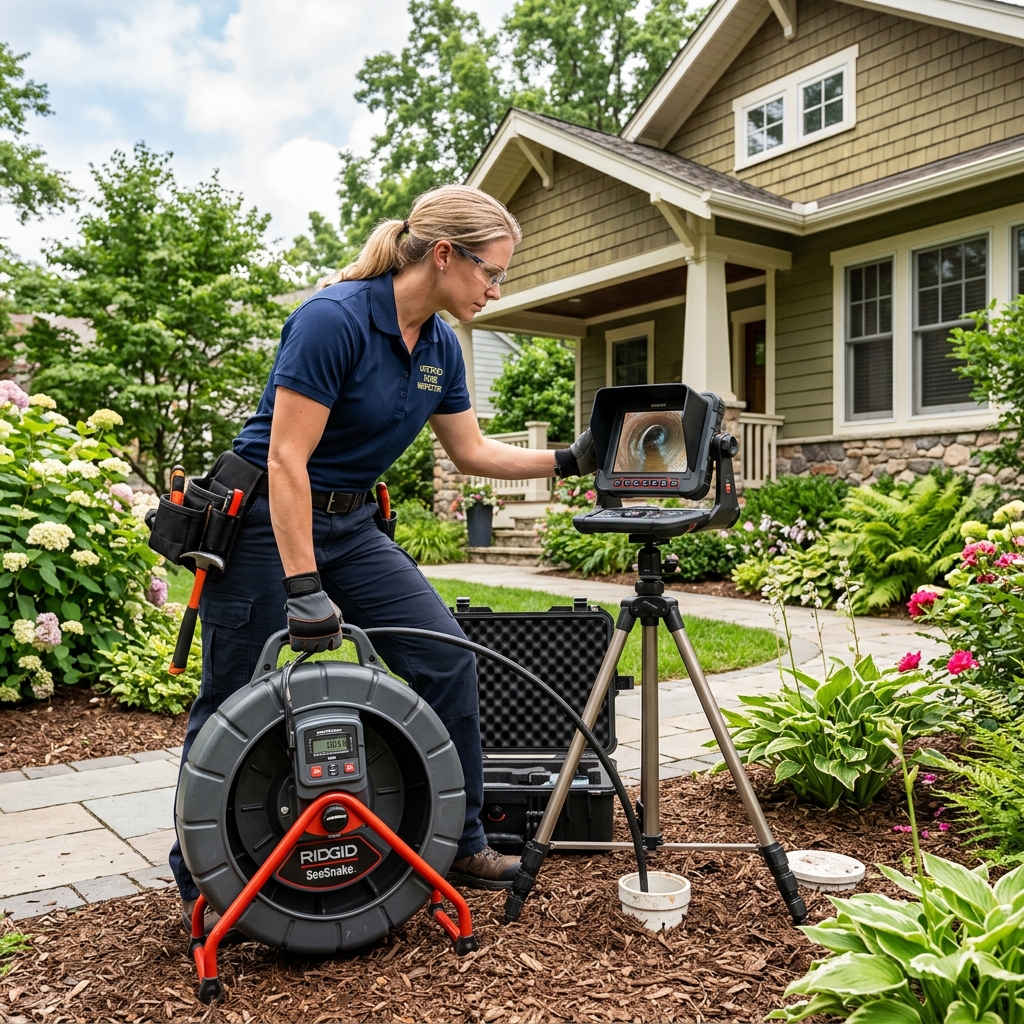
A sewer scope is a camera inspection of the side sewer pipe. A specialist feeds a small camera through the line from the house to the city main and records what they find. You get to watch, or review the footage afterward. What the camera shows you: the condition of the pipe, any root intrusion, cracks, offsets, bellying (where the pipe has sagged and is holding standing water), or signs of deterioration.
The scope itself runs around $300 and can usually be turned around faster than a general home inspection. Several companies in Seattle specialize in this service, and it's not a complicated process. The footage is clear and straightforward to interpret.
I watch sewer scope videos with my clients regularly. It's one of the most useful tools in the home buying process because what you see is exactly what's there.
Why Seattle Buyers Should Always Get One
Seattle's combination of old housing stock, tree canopy, clay soil, and seismic activity makes the side sewer one of the higher-risk systems in an older home. A problem on camera might look minor. It might look significant. Either way, you know before you close.
Most residential sewer repairs in Seattle land between $2,500 and $8,000, depending on the scope of the damage. Trenchless sewer line replacement, which avoids tearing up your yard or driveway, runs $4,500 to $16,000 for a typical residential line. Traditional excavation can run higher when surface restoration is factored in. These are not trivial numbers, and they're not costs that show up anywhere in a standard home inspection.
A $300 sewer scope that reveals a problem gives you options: negotiate a repair credit, ask the seller to fix it before closing, or walk away knowing what you avoided. A $300 sewer scope that comes back clean gives you peace of mind. Either way it's money well spent.
The Seller-Provided Scope
It's becoming increasingly common for sellers of older Seattle homes to commission their own sewer scope as part of their pre-listing preparation, alongside a general inspection. The results are made available to buyers as part of the disclosure package.
If a seller-provided scope is included in the listing, review it carefully and note when it was done. A scope from six months ago is still useful. A scope from two years ago is less so, particularly if the property has mature trees nearby. When in doubt, ordering your own scope is always an option and is still worth the $300 for the peace of mind.
A Note on Inspection Contingencies
In a competitive multiple offer situation, some buyers consider waiving their inspection contingency to strengthen their offer. Here's how I approach this with my clients on older homes.
Because sewer scopes turn around quickly, it's often possible to complete one before submitting an offer. If the seller hasn't already provided a scope as part of their disclosure package, we can order one during the showing period. If the scope comes back clean, you can waive the inspection contingency with confidence, knowing the highest-risk system in an older home has already been checked. If you don't win the bidding war, you paid $300 for an inspection you didn't need on that particular home. That's a reasonable cost of doing business in a competitive market.
It's a much better position than waiving inspection blind and discovering a problem after you're under contract.
What to Do If the Scope Reveals a Problem
Not every sewer scope problem is a deal breaker. A few isolated root intrusions in an otherwise healthy pipe is different from widespread cracking or a collapsed section. The footage tells the story.
If there's a problem, the next step is getting a quote from a licensed sewer specialist. That quote gives you the number you need to negotiate with. A seller who has already disclosed a sewer issue will generally expect to negotiate. A seller who didn't know about it will respond based on how motivated they are to close.
Either way, you're in a much better position knowing than not knowing.
The Bottom Line
For any Seattle home built before the 1970s, a sewer scope is a standard part of due diligence. It's fast, it's affordable, and it protects you from one of the most expensive surprises in residential real estate. I recommend it to every buyer I work with on an older home, and I've never had a client regret getting one.
If you're buying a home in Seattle and want guidance on how to approach inspections and due diligence, reach out at KimReidy.com.